
The short version: a day about the people who do not know yet
World Diabetes Day falls on Saturday 14 November 2026, and this year’s campaign is built around a deliberately plain idea: act early. The International Diabetes Federation (IDF), which leads the day, has chosen “Early action on diabetes” as its theme for 2026 and 2027. The World Health Organization and its Eastern Mediterranean regional office have adopted the same message. Behind the slogan sits one uncomfortable number. According to the IDF Diabetes Atlas, about 252 million adults around the world are living with diabetes without knowing it.
The timing has produced an unusually rich week of fresh data. On 10 November the IDF published a six-country survey of adults at high risk of type 2 diabetes, and Saudi Arabia was one of the six. The federation also issued a dedicated release in Riyadh with Saudi estimates. A day later, on 11 November, the WHO refreshed its diabetes fact sheet with updated figures on deaths and treatment. Together these sources give a clear picture of the problem, and of why a campaign about diagnosis matters so much to readers in the Gulf and the wider Arab world.
This explainer moves from the global numbers to the region and then to Saudi Arabia, before turning to what early action means in practice and what to watch next. Official figures are attributed to the organisation that published them. Survey findings are attributed to the survey. Paragraphs marked Analysis are Vemetto’s editorial reading, not reporting. Nothing here is medical advice; anyone with symptoms or risk factors should talk to a clinician and get tested.
Why 14 November, and how the day grew
The date honours Frederick Banting, the Canadian physician born on 14 November who co-discovered insulin in 1921, as the IDF’s 2026 campaign toolkit notes. Before insulin, a diagnosis of what we now call type 1 diabetes was, for most children and young adults, a death sentence within a short time. Afterwards it became a lifelong condition that people could manage. Few medical breakthroughs illustrate more sharply how much depends on getting treatment to people in time.
The IDF created World Diabetes Day in 1991 with WHO support, in response to growing concern about the health and economic threat of the disease, and the United Nations made it an official UN day in 2006. Recent themes show how the campaign has shifted focus. The WHO campaign archive lists access to medicines and care in 2021, access to diabetes education in 2022 and access to care in 2023. Then came “Breaking barriers, bridging gaps” in 2024 and “Diabetes across life stages” in 2025. The 2026–27 theme returns to the starting point of every care pathway: finding out.
In Saudi Arabia, the Ministry of Health lists World Diabetes Day 2026 in its official calendar of health days. Other public bodies, including the Technical and Vocational Training Corporation, have announced awareness events for the same date. The ministry’s portal also offers a self-check tool for prediabetes risk among its health calculators. That kind of first step is exactly what the global campaign is trying to make routine.
The global picture, and why two big numbers can both be right
Readers often meet two very different headline figures for how many people have diabetes. The first comes from the 11th edition of the IDF Diabetes Atlas, launched in April 2025 at the federation’s World Diabetes Congress in Bangkok. It estimates that 589 million adults aged 20 to 79 were living with diabetes in 2024, roughly one adult in nine. It projects 853 million by 2050.
The second comes from the WHO. Its fact sheet, updated on 11 November 2026, says the number of people living with diabetes rose from 200 million in 1990 to 830 million in 2022. That is in line with the NCD Risk Factor Collaboration (NCD-RisC) study published in The Lancet with WHO support on 13 November 2024, which put the total above 800 million. The WHO-backed estimate counts all adults aged 18 and over, with no upper age limit. The Atlas stops at 79 and uses its own modelling, so the gap reflects scope and method rather than error. Both sources agree on the direction. The WHO says the share of adults with diabetes doubled from 7% in 1990 to 14% in 2022.
The burden goes beyond headcounts. The Atlas attributes more than 3.4 million deaths in 2024 to diabetes. The WHO says diabetes directly caused about 2.0 million deaths in 2023, with 44% of them before the age of 70. It adds another 390,000 deaths from kidney disease caused by diabetes, and notes that high blood glucose causes around 10% of cardiovascular deaths. Spending is just as striking. The IDF says direct health expenditure on diabetes passed one trillion US dollars for the first time in 2024, up from $966 billion in 2021, which is about 12% of all health spending worldwide.
The IDF adds that three in four adults with diabetes live in low- and middle-income countries. A further 635 million adults have impaired glucose tolerance, one of the states that often precede type 2 diabetes, which the federation summarises as one adult in eight being at high risk. Type 2 diabetes accounts for more than 95% of cases, according to the WHO. Citing a 2025 study from the Atlas and the T1D Index, the WHO also puts the number of people with type 1 diabetes at around 9.5 million in 2025, with more than half a million new cases that year.
Analysis. Arguments over which total is “correct” miss the more useful point. Two groups using different methods both show diabetes rising faster than population growth alone would explain, and that agreement is the real finding. For policy, a trend confirmed by independent estimates matters more than the exact figure.
The hidden iceberg: what the new IDF survey found
The campaign’s focus on diagnosis follows directly from the scale of what is missed. The IDF estimates that more than four in ten adults with diabetes are undiagnosed, and the WHO uses the same “more than 40%” framing on its campaign page. Most undiagnosed cases are type 2, which can develop for years with mild symptoms or none. The IDF says up to half of people with type 2 diabetes already have complications when they are diagnosed. For many, the first sign is damage to the eyes, kidneys, nerves or heart, not thirst or tiredness.

To understand why people do not come forward, the IDF commissioned an online survey of adults aged 25 to 64 in Brazil, India, Kenya, Saudi Arabia, Spain and the United States. Every respondent had at least two known risk factors for type 2 diabetes and no diagnosis. India’s Hindustan Times reports that Global Health Strategies ran the fieldwork from late June to late July 2026. CNN Brasil puts the total sample at 2,411 adults.
The IDF’s published headline results describe a clear gap between attitude and self-perception. Some 84% of respondents said a risk check is worthwhile even when you feel healthy, yet only 15% thought they were likely to develop type 2 diabetes. Two-thirds (67%) wrongly believed that people with prediabetes notice symptoms. And 43% said they would not feel confident arranging a check.
Barriers varied by country. According to CNN Brasil’s summary of the findings, fear of a diagnosis was the most common barrier across the six countries, followed by cost, difficulty getting an appointment and lack of time. Cost stood out in Kenya, and lack of confidence in booking stood out in India. In Spain, relatively few respondents rated type 2 diabetes as very or extremely serious.
IDF President Professor Peter Schwarz framed the result in the federation’s release. People at risk accept that diabetes is a problem, he said, but do not believe it applies to them. “Awareness of diabetes is not the same as awareness of your own risk.”
Analysis. Psychologists call this optimism bias: accepting a danger in general while assuming it will strike someone else. It helps explain why generic awareness campaigns that simply list symptoms have limited reach. If people think prediabetes “announces itself”, a symptom checklist may even reassure the very people who most need a blood test. The more useful message, and the one this year’s campaign is trying to land, is that feeling fine proves nothing.
The Middle East and North Africa: highest prevalence, smallest share of spending
The WHO Eastern Mediterranean regional office has collected key regional indicators on its 2026 campaign page. It reports that 23% of adults aged 18 and over in the region had diabetes in 2022. It records 131,735 deaths due to diabetes in 2019, a rate of 32 per 100,000 people, and says 53% of those deaths occurred before the age of 70.
The same page points to the weight problem behind many of these figures. Bahrain, Egypt, Jordan, Kuwait, Saudi Arabia and the United Arab Emirates have the region’s highest levels of overweight among people aged 15 and over. In those countries the prevalence of overweight or obesity ranges from 74% to 86% among women and from 69% to 77% among men.
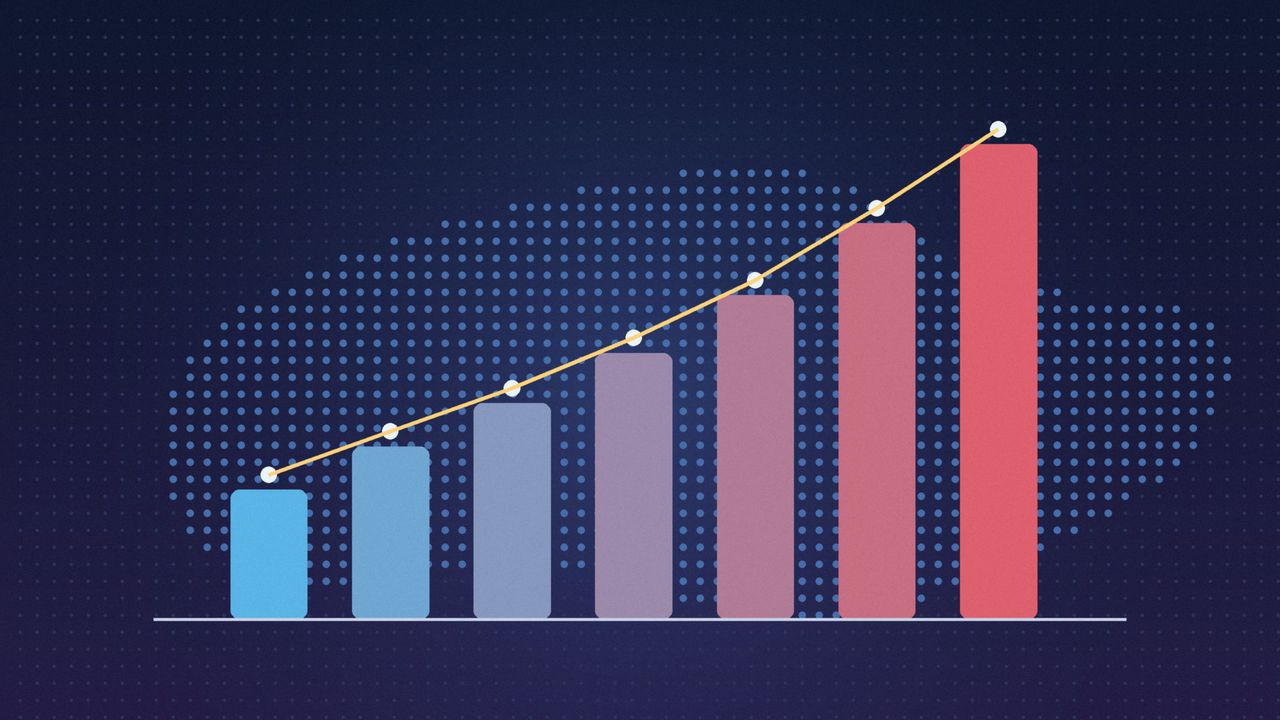
Citing the IDF Atlas, the regional office adds that the IDF’s Middle East and North Africa region has the world’s highest regional diabetes prevalence, at 17.6%. It also has the second-highest projected increase in the number of people with diabetes, 92%, which would bring the total to an estimated 163 million by 2050. About 1.4 million people in the region live with type 1 diabetes. The region also has the highest share of diabetes-related deaths among people of working age (under 60), at 21.6%.
The money tells its own story. The region is home to 14.4% of the world’s people with diabetes but accounts for only 3.4% of global diabetes-related expenditure, about US$35 billion. Treatment coverage is also low. When the Lancet analysis was released in November 2024, the WHO said the South-East Asia and Eastern Mediterranean regions, together with Africa, had the lowest coverage. In those regions, fewer than four in ten adults with diabetes were taking glucose-lowering medication.
Analysis. A regional average hides huge contrasts. Wealthy Gulf states with generous health budgets sit alongside countries in conflict or deep economic crisis, where an uninterrupted insulin supply is a daily struggle. In the poorer settings, the low spending share reflects real scarcity. In richer ones, it may reflect money flowing to hospital treatment of complications rather than to screening and primary care. That second pattern is the one early action is designed to change.
Saudi Arabia: one of the world’s top ten, and a diagnosis gap of 2.3 million
The IDF’s Riyadh release, dated 10 November 2026 and carried by local outlets including Al Mamlaka News and Riyadh Daily, sets out the Kingdom’s position in detail. An estimated 5.3 million adults in Saudi Arabia live with diabetes, which is 23.1% of adults and places the country among the ten highest rates in the world. Of these, about 2.3 million, or 44%, are estimated to be undiagnosed.
The Saudi sample of the survey covered 351 adults, all with at least two risk factors. Their answers mirror the global pattern, with some sharper edges. Some 82% agreed a check is worthwhile even when feeling healthy, but only 18% thought they were likely to develop type 2 diabetes. Seven in ten (70%) wrongly believed prediabetes usually causes noticeable symptoms, and 46% did not feel confident arranging a check. Fear of what the results might show was the top barrier (32%), followed by lack of time (24%) and not thinking they were at risk (23%). Personal connection made a marked difference. Among respondents who knew several people with type 2 diabetes, 77% intended to get checked within six months.
The release also includes an IDF “diagnosis scorecard” for the Kingdom, based on the 11th edition of the Atlas. It shows 56% of adults with diabetes in Saudi Arabia have been diagnosed, against the WHO’s global target of 80% by 2030. Closing that gap would take around 1.3 million additional diagnoses, or roughly 840 every day until the end of 2030. Diabetes-related health spending in the Kingdom reached US$7.3 billion in 2024. According to the release, much of that goes on treating complications such as heart attack, stroke, kidney failure, vision loss and lower-limb amputation.
Dr Abdelaziz Al Humeidi, President of the Saudi Charitable Association of Diabetes, is quoted in the release. He notes that three in four respondents have a relative with type 2 diabetes, yet fewer than one in five believe it could affect them. His proposed remedy is to take checks to where people already are: pharmacies, routine appointments and the community.
The IDF’s recommendations follow the same line. Nearly half of Saudi respondents (49%) would welcome quick walk-in checks at pharmacies or supermarkets, 41% community awareness campaigns, and 40% evening or weekend appointments. The federation also calls for clearer information on who should be checked and where to go. It wants routine blood-pressure and cholesterol reviews used to identify at-risk people before they come forward themselves.
Analysis. The headline prevalence is not new; Saudi Arabia has ranked among the highest-prevalence countries for years. What stands out this week is the distance between familiarity and personal concern. Most respondents live with diabetes in the family and still do not see themselves at risk. That points to convenience and reassurance as the main levers, rather than more information. A pharmacy test taken while running errands may achieve what another awareness poster cannot. The survey’s own finding, that close contact with the disease raises willingness to test, supports that reading.
Early action in practice: symptoms, testing and type 1
The WHO lists the common symptoms of diabetes as increased thirst, frequent urination, tiredness, blurred vision and unexplained weight loss. It stresses an important difference between the two main types. Type 1 tends to develop rapidly, while type 2 usually develops gradually and may cause few or no noticeable symptoms for years, so it is often diagnosed only after complications have begun. The organisation also notes that early diagnosis can be achieved with relatively inexpensive blood glucose testing.
This year’s campaign singles out type 1 diabetes. According to the WHO, it can develop at any age and is frequently missed or misdiagnosed, particularly in adults. The regional office adds that it is often missed in children and young adults, and that delayed diagnosis can be life-threatening. The IDF warns that a late diagnosis can lead to diabetic ketoacidosis, an acute and potentially fatal complication. One of the testimonies on the campaign website comes from Khalil in the UAE, who lives with type 1 diabetes. He recalls that his mother sensed something was wrong and asked him to have a blood test; looking back, he says, the signs had been clear.
The WHO’s calls to action are addressed to different groups. The public is asked to learn the symptoms and not ignore them. Health workers are asked to support timely testing, diagnosis and referral, and to communicate without stigma. Governments are asked to build prevention, early detection and person-centred care into primary health care and to keep insulin and essential medicines affordable and in steady supply. A sixth key message concerns stigma, which the WHO describes as widespread, harmful and preventable. The words and images used about diabetes matter, it says.
For readers who want a first step, the IDF’s World Diabetes Day site hosts an online type 2 risk test. The site reports that more than 330,000 people have taken it, and lists 307 registered activities in 72 countries and territories this year. In Saudi Arabia, the Ministry of Health’s prediabetes risk tool serves a similar purpose. Neither is a diagnosis. Only a laboratory test, interpreted by a clinician, can confirm or rule out diabetes.
The 2030 targets and the size of the gap
In May 2022 the World Health Assembly endorsed, for the first time, five global coverage targets for diabetes, to be met by 2030. Under them, 80% of people with diabetes should be diagnosed. Of those diagnosed, 80% should have good glycaemic control and 80% good blood-pressure control. Some 60% of people with diabetes aged 40 or older should receive statins. And everyone with type 1 diabetes should have access to affordable insulin and blood-glucose self-monitoring. The targets followed the launch of the WHO Global Diabetes Compact in April 2021 and a World Health Assembly resolution on diabetes in May 2021.
Measured against those goals, the world is behind. The WHO fact sheet says 59% of adults aged 30 and over with diabetes were not taking diabetes medication in 2022, with the lowest coverage in low- and middle-income countries. The Eastern Mediterranean office states plainly that progress towards the 2030 targets is falling short and calls for urgent, coordinated action. For Saudi Arabia, the IDF scorecard implies moving from 56% to 80% diagnosed in a little over four years on the diagnosis target alone.
Analysis. Diagnosis is the easiest target to measure and the closest to this year’s theme, but it is only the first rung. A diagnosis without follow-up, medication and regular review does little to prevent complications, a point the campaign itself makes by pairing detection with care. Expect the debate to shift over the next few years from how many people have been diagnosed to how many reach good control. That second question is harder and more expensive to answer.
Prevention, GLP-1 drugs and other changes since 2025
Prevention remains the foundation of the WHO’s advice on type 2 diabetes. That means reaching and keeping a healthy weight and getting at least 150 minutes of moderate exercise each week. It also means eating a healthy diet that limits sugar and saturated fat, and not using tobacco. The campaign widens this from personal choice to “healthier environments”: access to healthy food, safe places to be active and good health services. Individual decisions are shaped by the neighbourhood, school and workplace around them.

On treatment, two WHO decisions in 2025 stand out. On 5 September 2025 the organisation updated its Model List of Essential Medicines, adding treatments for diabetes with associated conditions such as obesity. According to the WHO, GLP-1 therapies were added for managing type 2 diabetes in high-risk groups. On 1 December 2025 it issued its first guideline on GLP-1 therapies for treating obesity in adults. The guideline makes conditional recommendations within a broader approach of healthy diet, physical activity and professional support. The WHO says obesity affects more than one billion people and was associated with 3.7 million deaths in 2024. Reuters reported at the time that the organisation warned access to the drugs would remain limited.
The science of classification has moved too. In April 2025 the IDF formally recognised a malnutrition-related form of diabetes as “type 5”, according to specialist health media. It mainly affects lean, undernourished teenagers and young adults in low- and middle-income countries, and the IDF now lists it among the types of diabetes on its website. On World Diabetes Day 2025, the WHO also launched global guidelines on diabetes in pregnancy. The IDF Atlas estimates that about one in five live births is affected by some form of high blood glucose in pregnancy.
Analysis. GLP-1 medicines get a lot of attention in the Gulf, where they are often discussed as a shortcut. The WHO’s own texts point the other way. The recommendations are conditional, the drugs are framed as part of long-term care, and supply and cost limit who can get them. If anything, the new drugs strengthen this year’s message. No treatment, old or new, helps someone who does not know they need it.
Timeline
- 1921 Insulin is discovered, with Frederick Banting among its co-discoverers.
- 1991 The IDF creates World Diabetes Day with WHO support.
- 2006 The day becomes an official United Nations day.
- Apr 2021 WHO launches the Global Diabetes Compact.
- May 2022 The World Health Assembly endorses five diabetes coverage targets for 2030.
- Nov 2024 WHO-backed Lancet study: more than 800 million adults have diabetes.
- Apr 2025 The 11th edition of the IDF Diabetes Atlas is launched in Bangkok.
- Sep 2025 GLP-1 therapies added to the WHO Essential Medicines List for type 2 diabetes in high-risk groups.
- Dec 2025 First WHO guideline on GLP-1 therapies for obesity in adults.
- 10 Nov 2026 IDF publishes its six-country survey and a Saudi-specific release.
- 11 Nov 2026 WHO updates its diabetes fact sheet.
- 14 Nov 2026 World Diabetes Day: “Early action on diabetes”.
- 2030 Deadline for the five global coverage targets.
What to watch after 14 November
The campaign runs for two years, so 14 November is a starting point rather than a finish line. The IDF has announced that its next World Diabetes Congress will be held in Singapore in 2027, where the early-action theme is likely to be revisited. As the 2030 deadline for the WHO targets approaches, reports that measure actual progress, globally and country by country, will become steadily more important.
Analysis. For readers in the region, we see three things to follow. First, will testing move out of clinics and into pharmacies, workplaces and public events, as the IDF recommends? Its survey suggests many people would get checked if a test came to them, but not if they had to arrange one. Second, will health authorities in the Gulf and Egypt publish regular national figures on how many people are diagnosed and how many reach good control? That would let progress towards 2030 be tracked with national data rather than modelled estimates. Third, how will health systems manage surging demand for GLP-1 drugs, and will supply reach the patients who need them clinically, within proper care?
For individuals, the WHO and IDF messages boil down to three steps. Know the symptoms. Know your risk factors. Get checked even if you feel well, particularly if diabetes runs in your family, you carry excess weight or you are not very active. Both organisations end on the same note: support rather than stigma. People living with diabetes do better when those around them make it easier to stay in care, not harder.
A final reminder: this article reports figures and findings as published by health organisations and survey sponsors. It is not individual medical advice. If you have symptoms or risk factors, the right next step is a doctor and a laboratory test.
Frequently asked questions
When is World Diabetes Day 2026 and what is the theme?
It is on Saturday 14 November 2026. The 2026–2027 theme is “Early action on diabetes”, focusing on earlier diagnosis and reducing the risk of type 2 diabetes.
Why 14 November?
It is the birthday of Frederick Banting, who co-discovered insulin in 1921. The IDF created the day in 1991 with WHO support, and it became an official UN day in 2006.
How many people have diabetes worldwide?
The IDF Diabetes Atlas estimates 589 million adults aged 20–79 in 2024. The WHO cites 830 million in 2022 for all adults aged 18 and over. The difference comes from age range and method; both show a clear upward trend.
How many people in Saudi Arabia are undiagnosed?
An IDF release dated 10 November 2026 estimates about 2.3 million undiagnosed adults in the Kingdom, 44% of the 5.3 million living with diabetes. It says 56% are diagnosed, against a global target of 80% by 2030.
Which symptoms should prompt a test?
The WHO lists increased thirst, frequent urination, tiredness, blurred vision and unexplained weight loss. Type 2 diabetes can be silent for years, so people with risk factors should get checked even if they feel well.
Does prediabetes cause noticeable symptoms?
Usually not. In the IDF survey, 67% of respondents across six countries, and 70% in Saudi Arabia, wrongly believed it does. Only a blood test can detect it.
What are the WHO’s 2030 diabetes targets?
80% of people with diabetes diagnosed; 80% of those diagnosed with good glycaemic control; 80% with good blood-pressure control; 60% of people with diabetes aged 40+ on statins; and 100% of people with type 1 diabetes with access to affordable insulin and self-monitoring.
Sources and verification
The wording of this explainer is Vemetto’s own. It relies on official WHO and IDF sources, and attributes survey results and other non-official points to whoever published them. Sections marked “analysis” are editorial reading, not news. This article is for information and is not a substitute for medical advice.
- World Health Organization: World Diabetes Day 2026 campaign page · Archive of past themes · Diabetes fact sheet (updated 11 Nov 2026) · November 2024 release on the Lancet study · The five 2030 coverage targets · Essential Medicines List update (Sep 2025) · GLP-1 obesity guideline (Dec 2025)
- WHO Eastern Mediterranean: World Diabetes Day 2026 and regional data
- International Diabetes Federation: Early-action campaign and survey results · World Diabetes Day website · 2026 campaign toolkit (PDF) · Diabetes Atlas 11th edition — University of Washington summary · Diabetes Atlas on NCBI Bookshelf · Atlas paper in The Lancet Diabetes & Endocrinology
- Saudi Arabia: IDF Saudi release — Al Mamlaka News · Riyadh Daily · Ministry of Health — World Diabetes Day 2026
- Reporting: CNN Brasil — six-country survey results · Hindustan Times — survey method · Reuters — WHO GLP-1 guideline · Diabetes.co.uk — type 5 recognised
About the images
Every image in this explainer is an original illustration generated for Vemetto. None depicts a real person or patient, none uses the campaign’s blue-circle symbol or any other logo, and none shows real medical readings. No news-agency or press photographs are used.